
Maui has long earned its reputation as one of Hawaii’s most sought-after destinations—and it’s easy to see why. The island brings together sun-soaked beaches, dramatic volcanic landscapes, and a sense of place that feels both relaxing and adventurous. Whether you are a first-time visitor or returning to a favorite haunt, the “Valley Isle” always has something new to whisper to the soul.
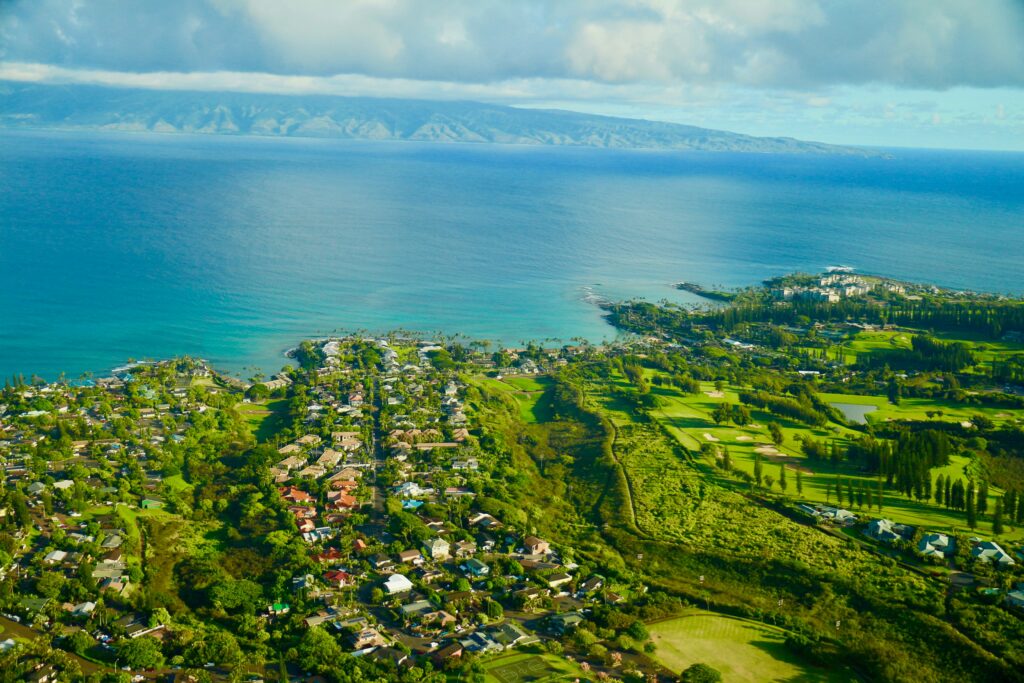
Often called “The Valley Isle,” Maui’s landscape is defined by two majestic volcanoes: Haleakalā, rising over 10,000 feet into the clouds, and the rugged West Maui Mountains. Between them lies the broad central valley that connects the island’s vibrant towns and lush farms.
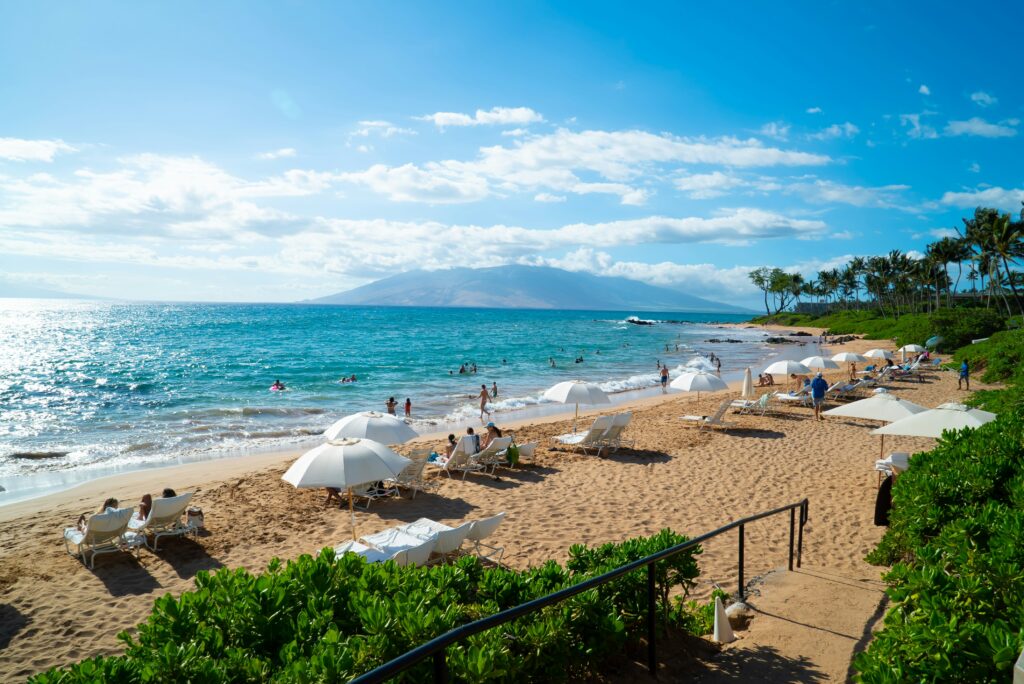
Where to Stay and How to Explore Most travelers gravitate toward the dry, sunny western and southern shores. Areas like Wailea and Kaʻanapali remain world-class hubs for hospitality and calm waters. However, Maui truly rewards those who venture beyond the resort gates. Thanks to its manageable size, you can spend the morning in a tropical rainforest and the afternoon in a volcanic desert.
Traveler Tip: As the historic town of Lahaina continues its journey of rebuilding, visitors are encouraged to travel with kuleana (responsibility). While the town center remains a quiet area of recovery, the surrounding West Maui resorts are open and appreciate the support of mindful travelers.
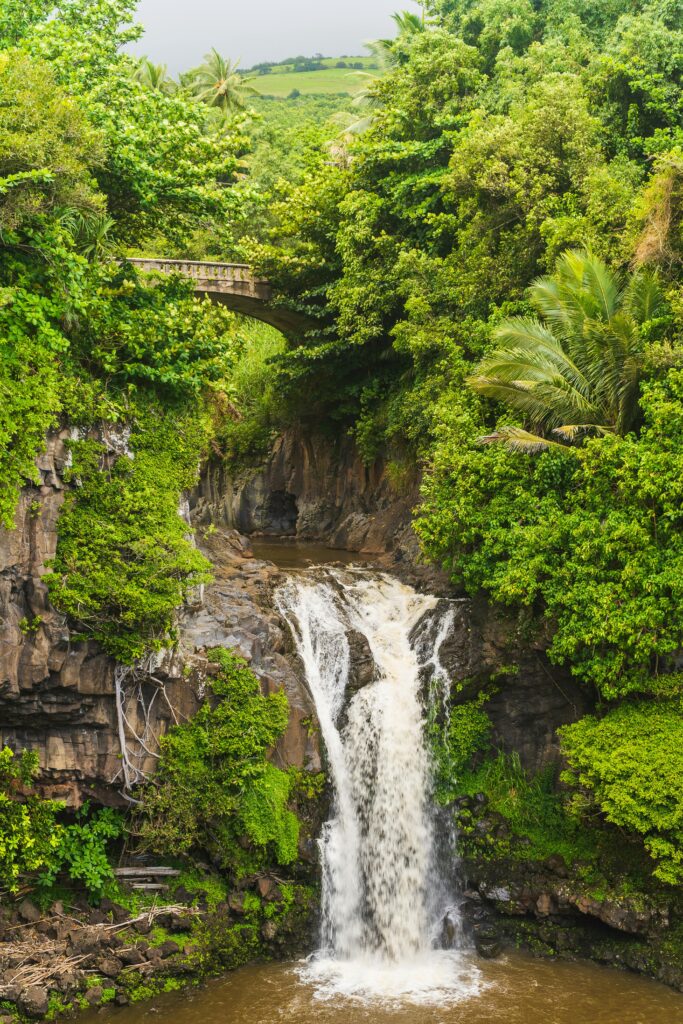
Unforgettable Experiences: Maui offers a “choose your own adventure” style of travel. For nature lovers, whale watching from December to April is a must, as the shallow channels become a sanctuary for humpback whales. If you prefer the road, the scenic drive to Hana offers breathtaking waterfalls and coastal cliffs around every one of its 600 curves.
For a taste of local culture, the Bailey House Museum offers a window into pre-contact Hawaiian life. And no trip is complete without experiencing the island’s culinary scene—from fresh “Pacific Rim” seafood to the farm-to-table delights of the Upcountry.
A Legacy of the Land Settled by Polynesian voyagers over 1,500 years ago, Maui eventually became a central power base for the Hawaiian monarchy. Before the government transitioned to Honolulu in 1845, Lahaina served as the royal residence and the primary capital of the Kingdom. This period turned the island into a global crossroad for trade and diplomacy, creating the diverse, multicultural community we see today.
Quick Maui Facts:
- Preserved Views: You won’t see a single billboard on Maui; the state bans them to keep the focus on natural beauty.
- Cultural Respect: It is considered disrespectful (and bad luck!) to remove lava rocks or sand from the island.
- Port of Entry: Most major cruise lines now dock at the Port of Kahului, the island’s main gateway.
The Spirit of Aloha Maui isn’t just about the scenery; it’s about the connection. From volcanic summits to marine sanctuaries, the island invites you to slow down and appreciate the heritage of the land. Whether you stay for a weekend or a month, Maui leaves a lasting impression shaped by history and the enduring spirit of Aloha.


